KRIS INTERNATIONAL TRADING CO.,LTD

Kris international Trading Co.,Ltd. has a perfect management system and quality assurance system,

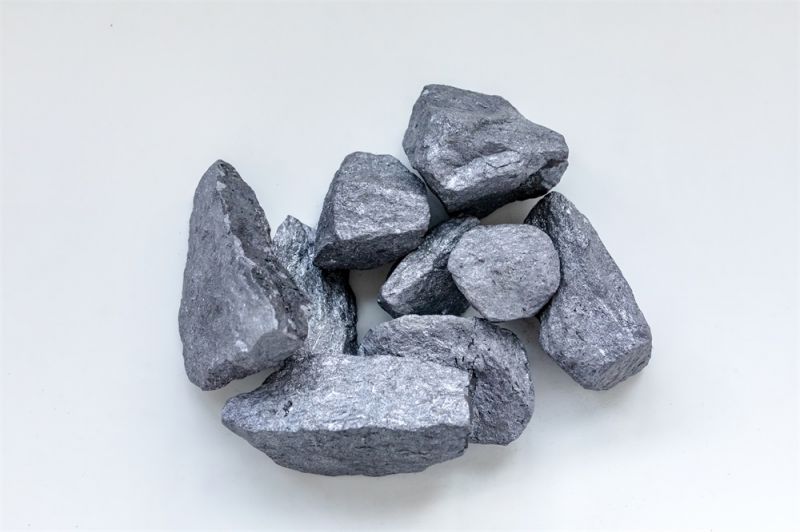
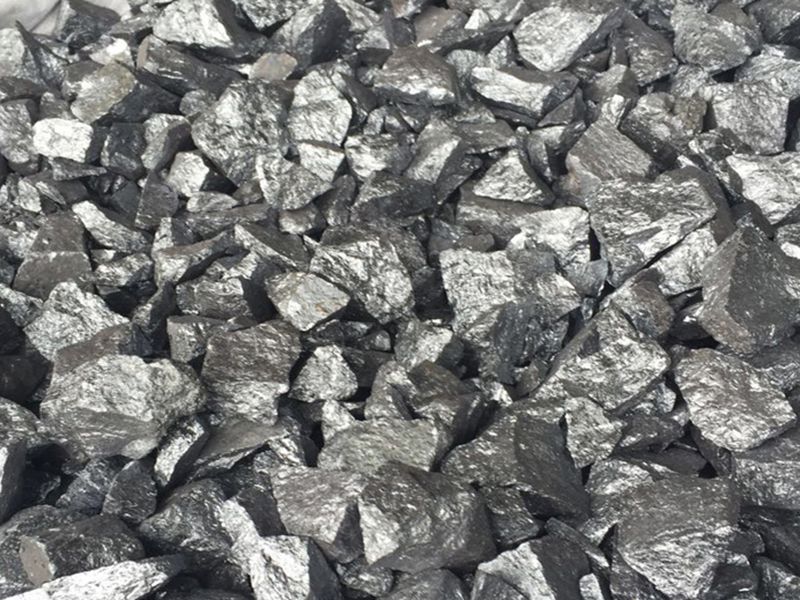
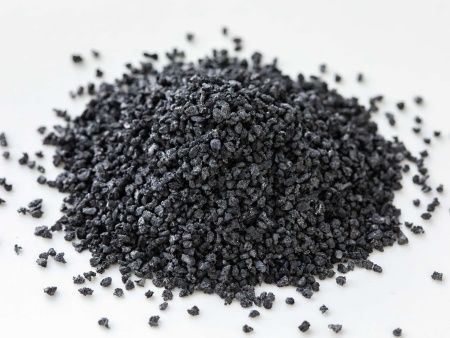
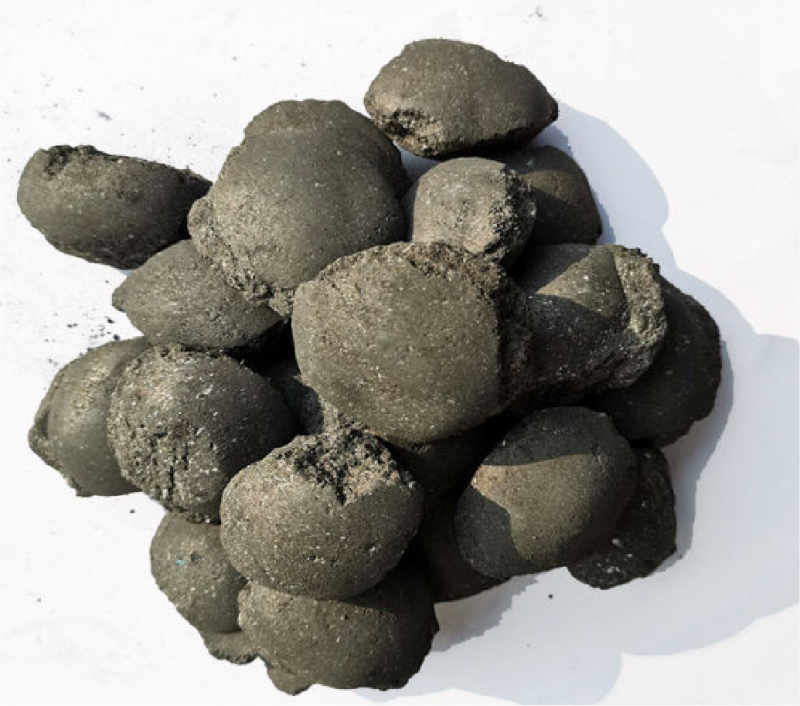
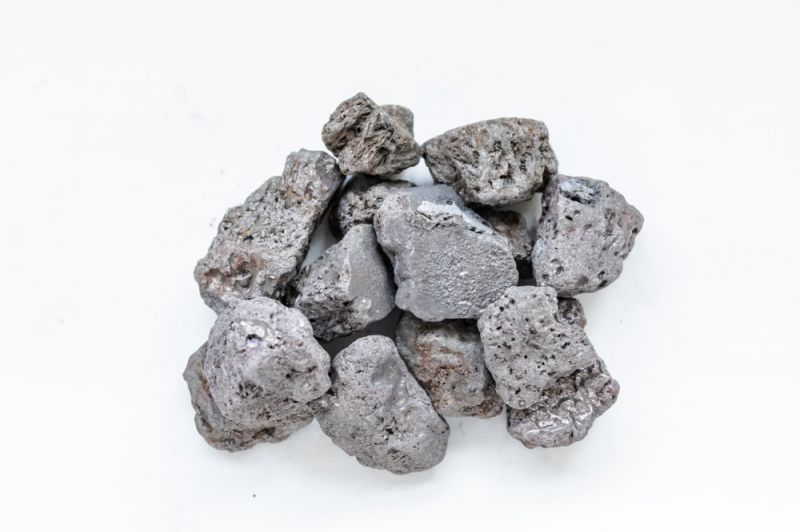
in order to ensure that the quality of products meets international standards, we have hired some experienced engineers to guide the workers in the processing process, and equipped with complete sets of precision test equipment and instruments. The main products are: silicon-carbon alloy, ferrosilicon, ferrotitanium,

silicon calcium, silico-manganese alloy, silicon-barium-calcium alloy, silicon-aluminum calcium, silicon powder, silicon-calcium-aluminum carbon composite deoxidizer, composite desulfurizer and other alloy products, which can also be customized according to customer needs.

Kris's Corporate Strength
urvival by quality, development by integrity, and efficiency
by science and technology
  • 200+

    Product Category

  • 100000+

    Annual shipment volume

  • 100+

    Sales countries and regions

三大优势
  • We provide personalized customization services for our customers.
  • Rich product system, one-stop procurement of multiple categories.
  • The company has a sound management system and quality assurance system.
Kris's Customer coverage

We welcome domestic and foreign economic entities to join us.

We are willing to work together with new and old customers to work together in the future, and sincerely welcome

Chinese and foreign merchants, new and old friends to visit and guide and seek common development.

Industry news sharing
Share the latest industry news with you
How silicon metal (industrial silicon) is made
Silicon metal, also known as industrial silicon or crystalline silicon, is usually produced by reducing silica from carbon in an electric furnace. Silicon metal is a product smelted by quartz and coke in an electric furnace, the content of the main component silicon element is about 98% (in recent years, the Si content of 99.99% is also contained in silicon metal), and the remaining impurities are iron, aluminum, calcium, etc. Its main use is as an additive for non-ferrous alloys and as a starting material for the production of semiconductor silicon and silicones.In China, silicon metal is usually classified according to the content of the three main impurities it contains iron, aluminum and calcium. According to the percentage content of iron, aluminum and calcium in silicon metal, silicon metal can be divided into 553, 441, 411, 421, 3303, 3305, 2202, 2502, 1501, 1101 and other different grades. (Regarding the source of silicon metal numbers: the codes 1st and 2nd are the percentage content of iron and aluminum, and the third and fourth digits represent the calcium content.) For example, 553 represents that the content of iron, aluminum and calcium is 5%, 5%, and 3%; 3303 represents that the content of iron, aluminum and calcium is 3%, 3%, 0.3%)The production of silicon metal adopts the carbon thermal method, that is, the method of smelting silica and carbonaceous reducing agent in a mineral heat furnace. The purity of the silicon obtained in this way is 97%~98%, and such silicon can generally be used for metallurgical purposes. If you want to obtain a higher grade of silicon, you need to refine it to remove impurities to obtain silicon metal with a purity of 99.7%~99.8%.Quartz sand is used as raw material to smelt silicon metal, including quartz sand blocking, preparation of charge and mineral furnace smelting.Generally speaking, high-quality quartz sand will be directly used to produce high-grade quartz glass products, and even processed into gem-level products such as crystal, tourmaline and so on. The grade is slightly worse but the reserves are larger, the mining conditions are slightly better, and the surrounding electricity is cheaper and suitable for the production of silicon metal.At present, the production process route of the carbon thermal method for the production of silicon metal in China is generally used to use silica as raw material, petroleum coke, charcoal, wood chips, low ash coal, etc. as reducing agent, smelting at high temperature in the mine thermoelectric furnace, and reducing silicon metal from silica, which is a slag-free submerged arc high-temperature melting process.Principles of chemical reactionsChemistry reaction mechanismIt is generally believed that smelting silicon metal is such a reaction:SiO2 + C -> Si + CO2 ?But there are actually at least 10 reactions and side reactions involved:SiO2 + 3 C -> SiC + 2 CO ........ (1)2SiO2 + SiC -> 3 SiO + CO ........ (2)SiO2 + 2 SiC -> 3 Si + 2 CO ........ (3)2SiO + O2 -> 2SiO2 ........ (9)Therefore, although silicon metal is extracted from silica, not all silica is suitable for making silicon metal. The ordinary sand we see daily is not the real raw material of silicon metal, but the quartz sand used in the above-mentioned industrial production, and has undergone a multi-step reaction to complete the transformation from sand to silicon metal.
08.13

Common problems and effective solutions in the production process of silicon-manganese alloy
Silicon manganese alloy is an alloy composed of manganese, silicon, iron and a small amount of carbon and other elements. It is a kind of iron alloy with wide use and large output. Its consumption takes the second place in ferroalloy products of electric furnace. Manganese and silicon in manganese silicon alloy have strong affinity with oxygen. When manganese silicon alloy is used in steelmaking, the melting points of deoxidized products MnSiO3 and Mn2SiO4 are 1270 ℃ and 1327 ℃ respectively, which have the advantages of low melting point, large particles, easy floating, good deoxidization effect, etc.The research and industrialization of silicon manganese alloy production in China are relatively late, and there are still differences between China and some western developed countries in terms of production technology. Although China has achieved good practical results in the production process of silicon manganese alloy under the social market demand and the in-depth promotion of scientific and technological development, there is still a problem in the actual application and marketization process, which needs to be solved by relevant researchers.1. Mix ratioSilicon manganese alloy is an alloy material formed by continuous smelting operation, which involves relatively complex raw materials in its production process [2]. In the process of production, all kinds of materials should be put in reasonably according to the specified scientific proportion. Only in this way can the quality of alloy be guaranteed. However, due to the weak quality control awareness of some production personnel, there is a large subjective randomness in the proportion of production materials. When placing materials, the setting of the proportion of raw materials is not reasonable enough, which may lead to uneven quality of the alloy produced and a large amount of waste of materials. Serious, even lead to production safety problems, to a large extent, threaten the asset safety of enterprises and the life safety of production personnel.2. Slag alkalinityDuring the production of silicon manganese alloy, the basicity of slag will also affect the production of alloy. If the alkalinity of the slag is too high, the slag forming temperature will be seriously reduced, the melting speed of the furnace charge will be faster, which will cause difficulties in the reduction reaction of silicon dioxide, which will significantly reduce the silicon content of the alloy and affect the quality of the alloy. However, if the alkalinity of the slag is too low, the slag will become sticky, the slag will not be discharged smoothly, and even the slag will turn over. In this way, it will still lead to incomplete reduction of silica. Then the carbon content in the alloy is too high and the silicon content is too low, which affects the quality of the alloy.3. Manganese recoveryIn the production process of silicon manganese alloy, 70-80% of manganese will be reduced to the alloy, and only a small part will enter the slag, which will escape into the air with the elimination of furnace gas. The so-called manganese recovery is to restore more manganese to the alloy and reduce the waste of raw materials. However, due to the influence of equipment, process, operation and other aspects, some silicon manganese alloy manufacturers have obvious practical problems of low manganese recovery rate, which not only causes energy waste, but also affects the ecological environment. This is not conducive to the practical implementation of China's sustainable development strategy.
10.22
Definition and classification of ferrochromium
Ferrochromium is an iron alloy composed of chromium and iron. It is an important alloy additive in steelmaking.According to different carbon content, ferrochromium is divided into high carbon ferrochromium (carbon content of 4~8%), medium carbon ferrochromium (carbon content of 0.5~4%), low carbon ferrochromium (carbon content of 0.15~0.50%), Micro-carbon ferrochromium (with carbon content of 0.06%), ultra-fine carbon ferrochromium (with carbon content of less than 0.03%), as well as silicon-chromium alloy, ferro-chromium nitride, etc.The lower the carbon content of ferrochromium, the more difficult it is to smelt, the power consumption is also large, and the cost is high. Ferrochromium with a carbon content of less than 2% is suitable for smelting stainless steel, acid-resistant steel and other low-carbon chromium steels. Ferrochromium with a carbon content of more than 4% is often used to make ball bearing steel and steel for auto parts. Ferrochromium with a chromium content of about 5% can be used as a chromium addition agent for alloy transfer iron.An iron alloy with chromium and iron as the main components. It is one of the main alloying agents used in the iron and steel industry. In addition to the main components of chromium and iron, it also contains impurities such as carbon, silicon, sulfur, and phosphorus. Ferrochromium contains 55% to 75% chromium, and is divided into high carbon (4% to 10% C), medium carbon (0.5% to 4% C), low carbon (>0.15% to 0.5% C) and low carbon (>0.15% to 0.5% C) according to the carbon content. Micro-carbon (≤0.15%C) ferrochromium. High carbon ferrochromium is also called carbon ferrochromium, and medium, low and micro-carbon ferrochromium is also called refined ferrochromium. A high-carbon ferrochromium produced from chrome ore with a low chromium-to-iron ratio, containing 50% to 55% of Cr is called charge grade ferrochromium, and nitrogen-containing ferrochromium containing N2% to 10% is used as a nitrogen alloying agent. Also known as ferrochromium nitride.Ferrochrome is divided into high carbon ferrochrome according to different carbon content, including charging grade ferrochrome (C≦10%), medium carbon ferrochrome (C≦4.0%), low carbon ferrochrome (C≦0.5%), micro carbon Ferrochrome (C≦0.15%), etc. Commonly used are silicon-chromium alloy, ferrochromium nitride and so on. Ferrochromium is mainly used as an alloying additive in steelmaking, and in the past it was added at the later stage of refining in steelmaking. The smelting of stainless steel and other low-carbon steels requires the use of low and micro-carbon ferrochromium, so the production of refined ferrochromium was once developed on a large scale. Due to the improvement of the steelmaking process, when using the AOD method (see out-of-furnace refining) to produce stainless steel and other steel grades, carbon ferrochrome (mainly charging grade ferrochrome) is used to charge the furnace, so it is only necessary to add low and micro chrome in the later stage. Carbon ferrochromium adjusts the composition, so ferrochromium production is refining carbon ferrochromium.
03.10

+86-16692280000/18637276124